
Trump and Zelensky are going behind closed doors again
A year after Trump emerged from their UNGA meeting calling Russia a “paper tiger,” his rhetoric on Moscow is already starting to move.
A year ago, President Trump walked out of a private UN meeting with Ukrainian President Volodymyr Zelensky and stunned the world — declaring Ukraine could win back all its land and deriding Russia as a “paper tiger.”
On Tuesday, they’re again going behind closed doors for another meeting, and Trump’s rhetoric is already starting to move.
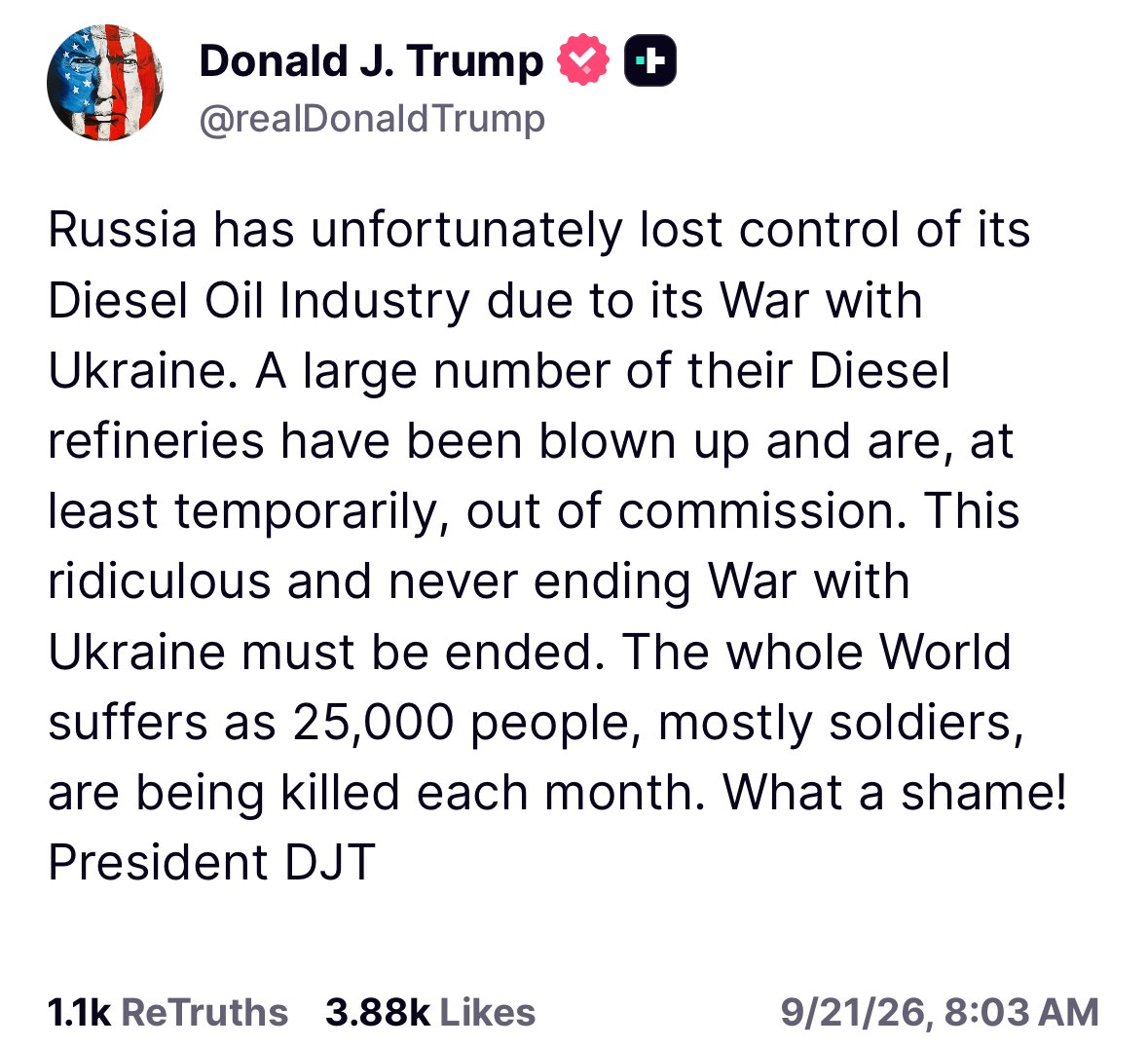
After spending the past week pressing Kyiv to stop hammering Russian oil refineries as diesel prices soared, Trump changed his tune Monday — blaming the destruction of Moscow’s energy industry on Russia’s own war.
“Russia has unfortunately lost control of its Diesel Oil Industry due to its War with Ukraine,” Trump wrote on Truth Social, noting that “a large number” of Russian refineries had been blown up or knocked offline.
“This ridiculous and never ending war with Ukraine must be ended,” he added.
The “unfortunately” raised some eyebrows (— including mine.) But ultimately, the most important part of Trump’s post isn’t what he said. It’s how he said it.
Trump put the responsibility for Russia’s refinery problems squarely on its war with Ukraine. And that’s where it belongs.
That’s notable after Trump spent the previous week complaining that Ukrainian strikes on Russian energy infrastructure were contributing to a global diesel shortage (as if the holdup in the Strait of Hormuz isn’t the main cause.)
Earlier this month, Trump openly called on Zelensky to stop “knocking out diesel fuel” facilities in Russia, alleging the strikes were sending oil prices soaring and telling Kyiv there were “plenty other targets” it could hit.
He followed that up Sept. 14 by announcing on Truth Social that “Ukraine has agreed not to hit Russian Energy targets. Russia has agreed to do, likewise!”
“The World’s Diesel price rise is mostly caused by the Russia/Ukraine War, not Iran,” Trump added.
But Ukraine knows its greatest leverage over Russia is striking at the heart of what funds its war machine. The supposed energy ceasefire quickly became muddled, with Kyiv saying it would agree to stop striking Russian energy facilities if Moscow actually stopped attacking Ukrainian infrastructure as well.
Trump again pressed Zelensky to halt the refinery attacks during a call over the weekend, according to the Financial Times.

Whatever was said then must have had an effect on his messaging Monday, and prompted the two leaders to agree to meet in New York on Tuesday.
If last year is any guide, what Trump says after that private meeting may be just as important as what he says from the UN podium.
Trump met Zelensky on the sidelines of UNGA on Sept. 23, 2025, after months of insisting Kyiv did not hold the cards in the war and pushing the Ukrainian leader toward a negotiated settlement.
Then, shortly after the meeting, Trump dropped a bombshell on Truth Social.
“After getting to know and fully understand the Ukraine/Russia Military and Economic situation,” Trump wrote, he believed Ukraine was “in a position to fight and WIN all of Ukraine back in its original form.”
Trump went even further, mocking Russia for failing to defeat its much smaller neighbor after more than three years of fighting and declaring Moscow a “paper tiger.”
The post was a dramatic departure from Trump’s previous public posture toward the war and was immediately welcomed by Kyiv, though it did not itself amount to a new US policy or commitment of American forces.
A year later, there are some familiar themes. Once again, Trump is pointing to Russia’s economic problems, Ukraine is making waves in the offense and Zelensky will have a private opportunity to make his case directly to the president before Trump tells the rest of the world what he thinks.
But there are also major differences this time around: Trump is confronting record-high US diesel prices and has made clear he wants Ukraine to stop hitting Russian refineries as Washington pushes for an end to the war.
US diesel prices reached a record $6.51 per gallon Monday, according to AAA data.
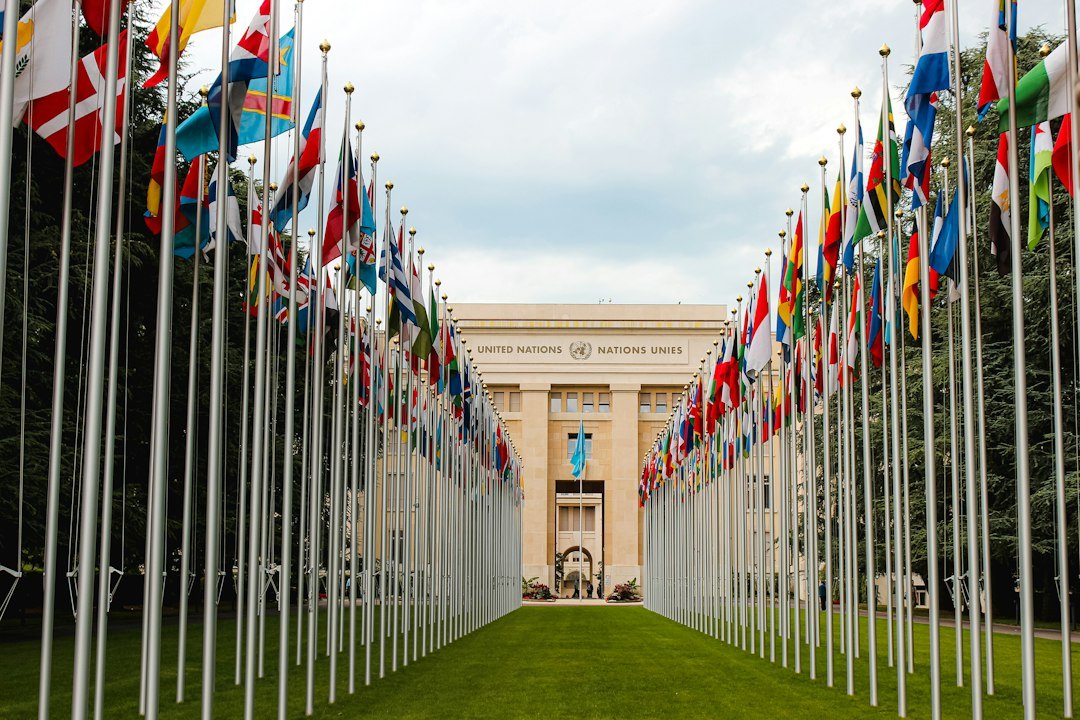
Zelensky, meanwhile, has maintained that Ukraine is willing to discuss de-escalation — including on energy infrastructure — but only on a reciprocal basis with Russia.
Russia’s refineries are being attacked because Russia is at war with Ukraine. If Moscow ends the war, the Ukrainian attacks end with it — that has been Kyiv’s argument for years.
And now, hours before Zelensky gets another private audience with Trump, the president is starting to make the same cause-and-effect connection.
Reader-supported reporting. Subscribe to keep the dispatches coming.
Become a subscriber Or join the free email list →