
The Iran war followed Americans to the gas pump. Now they’re voting.
Reporting from Kyiv without power on Election Day, I see how decisions made overseas show up in people’s daily lives. For US voters, one of the clearest examples is the price of gas.
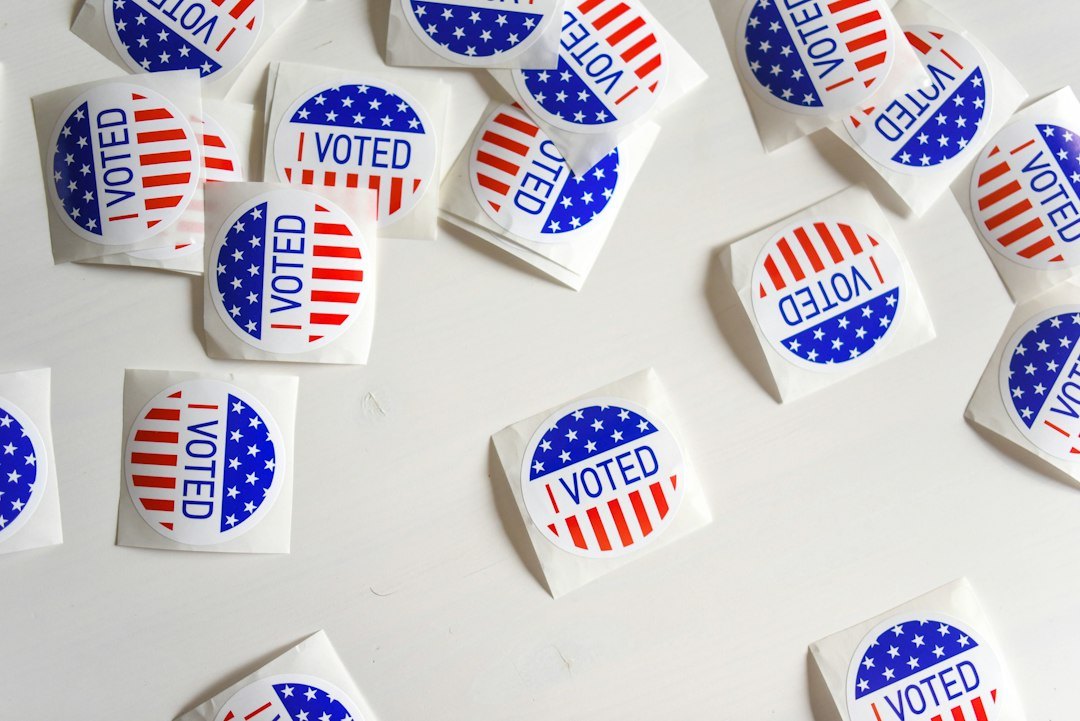
KYIV — I recorded my Election Day show from a hotel room with no power. Russia had struck Ukraine’s energy infrastructure again, so I had no lights and an internet connection that kept cutting in and out. Partway through, the air raid alarms told me to go to shelter.
I can deal with a chilly hotel room and a bad internet connection. What I keep thinking about is the people who will still be here when it’s cold enough for the pipes to freeze. Losing power then can mean losing the heat that keeps you alive.
From here, I’ve been getting a version of the same question from viewers abroad. What are Americans actually voting on today? My first answer is the cost of living. My second is that if you want to understand why it’s so high on voters’ minds, you ought to look at what’s happened in the Strait of Hormuz.
In a Reuters/Ipsos poll from the final days before the midterm elections, 48% of registered voters named the cost of living as their top issue. Democratic norms came in second at 26%, followed by immigration at 13%.
An October AP-NORC poll asked the question differently, allowing voters to rate multiple issues. In that survey, 85% called the economy one of their most important voting issues, 84% said the same about the cost of living and 64% said the same about the war with Iran, according to Reuters.
I usually tell audiences abroad that Americans tend to vote on whatever is making their lives harder that week. And for plenty of people, that means what it costs to get to work. I’m from Kansas. If the price of gas goes up, you still have to drive — you just pay the difference and figure out what else you can cut.
In January, before the war with Iran, 43% of Americans told Pew Research Center they were very concerned about gas and energy prices. By early October, that figure was 74%. And in Gallup’s late-October polling, 47% of registered voters called the situation in Iran extremely important to their vote.
Forty-two percent said the same about gas prices. Those questions measure different things, but they help explain why an overseas war is getting so much attention in an election dominated by household costs, according to the Pew Research Center.
There’s a fairly direct line from Hormuz to the number on the pump. The war disrupted a shipping route that handled about a fifth of the world’s oil supply before the conflict, according to Reuters. Then attacks on a Saudi pipeline temporarily knocked out a major route used to bypass the strait.
The U.S. Energy Information Administration put average U.S. retail gasoline at $4.35 a gallon in September, citing both higher crude prices and a widening gap between what refiners paid for crude and what they could charge for fuel. A country can pump millions of barrels of its own oil every day and still feel a supply shock on the other side of the world.
Tariffs work their way into household budgets differently. You see the price of gas in big numbers every time you pass a station. At the store, you rarely know how much of a price increase reflects an import duty. Housing, health care and groceries were already straining budgets, and families feel the combined bill.
But Trump campaigned on bringing prices down, and voters are judging him on that promise. In September, 65% of U.S. adults told AP-NORC they blamed Trump’s policies more than factors outside his control for persistently high prices, according to the Associated Press.
What can voters do about any of this today? They can change who runs Congress. A new majority can hold hearings, press the administration for answers about the war and fight over what it will fund.
But Trump will still be president, and his administration will still be the one negotiating with Tehran. The election can change how much resistance he faces in Washington — but getting oil moving reliably through Hormuz again requires decisions by people well beyond Washington.
That’s where I’ll be watching Pakistan and Qatar. Reuters reported that the two countries helped broker a June ceasefire that quickly unraveled over disagreements about the strait. That gives us a better test for the next round of diplomacy than whether another meeting takes place.
Can the mediators get Washington and Tehran to agree on terms that actually let ships pass, and can they make those terms stick?
I started this Election Day in a Kyiv hotel room thinking about how long the power might be out. Back home, people are looking at how much it costs to fill the tank before work.
The stakes here are different. But if you’re wondering why a war thousands of miles away matters to someone voting in Kansas, start with the drive to the polling place.
Thanks for reading The Correspondent with Caitlin Doornbos! This post is public so feel free to share it.
Reader-supported reporting. Subscribe to keep the dispatches coming.
Become a subscriber Or join the free email list →