
‘Escape or starve’: Ukrainian dad recalls son rationing scraps of candy ahead of Oleshky evacuation
Ahead of Friday’s Oleshky evacuation mission, a father recounts the desperate choice he made last month between starving at home and risking death on the road.
KYIV — Just one month ago, 55-year-old Valery faced an impossible choice: risk his family’s lives on the mine-laden route out of Oleshky, Ukraine — or starve to death.
The husband and father, whose last name The Correspondent is omitting for his safety, had waited for an evacuation agreement, stretching supplies of canned vegetables, fish, meat and grains.
But eventually, his family had about a month’s worth of food left — and little confidence anyone was coming to rescue them.
While some resorted to eating grass, he recalled his son slicing a small, leftover candy into three pieces to savor over three days — just to remember the flavor of something edible for a little longer.
“So the only chance is to just get out. That’s it. Or just perish there,” he told The Correspondent.
But the escape would be treacherous, taking him, his wife and 13-year-old son through a killing field where he said new recruits of the Russian army used civilians for target practice.
“When people tried to come out to you or just leave and they died and were left there on the road,” he said, “then you really start to question and understand whether there is actually any point in leaving at all.”
He had no way of knowing first lady Melania Trump would soon broker a ceasefire and humanitarian evacuation, which is set to begin on Friday.
Valery and his family escaped in September, leaving the southern Ukrainian town where he grew up, his mother grew up and his son was being raised.
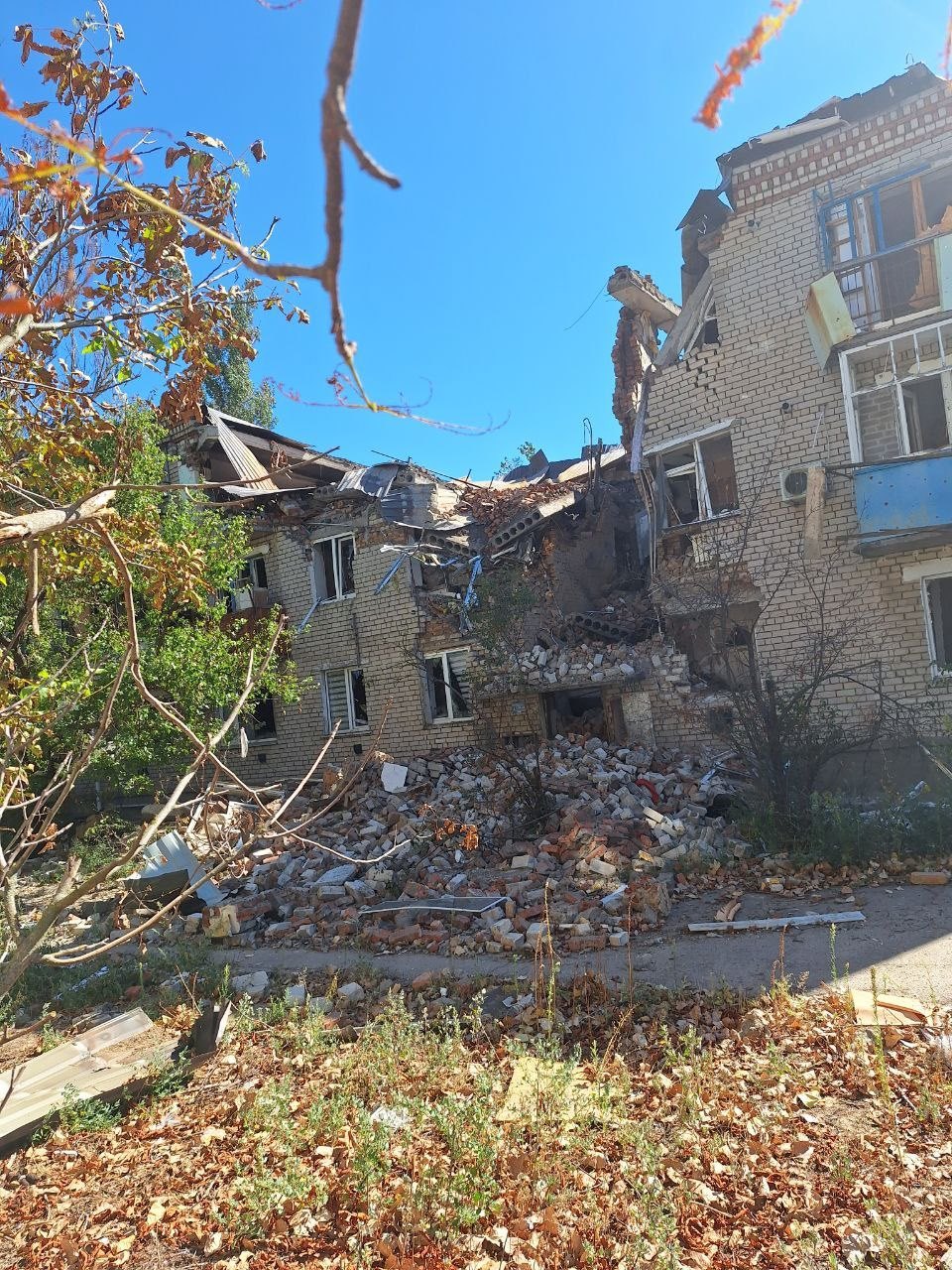
Behind them, he described a community reduced to cooking over open fires, eating grass, unable to charge electronics and waiting for help that never arrived.
“There hasn’t been gas for over a year now. There hasn’t been electricity for three years. There hasn’t been water for three years either,” he said.
“I want the whole world to truly understand that even here in the twenty-first century, innocent people can be sent back to the stone age,” Valery added.
The breaking point for his family came when Russian-installed Kherson regional leader Vladimir Saldo claimed residents had utilities, fresh food and regular medicine deliveries.
To Valery, those assurances described a town he no longer recognized. If the authorities would not acknowledge the deprivation, he saw little reason to believe they would address it.
“People are dying because they are freezing in their own homes, there is absolutely nothing left,” he said. “We’re seeing people forced to eat grass and even more shockingly, feeding that same grass to their own pets.”
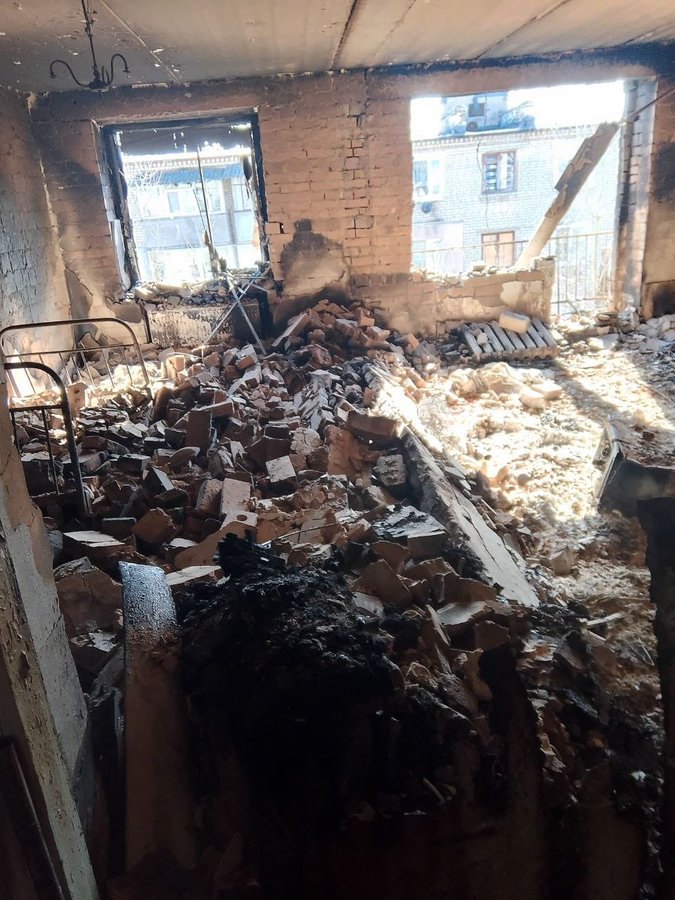
He also remembered seeing dogs gnaw at the bodies of Russian soldiers in the streets, abandoned by their brothers in arms.
“The Russians have no respect for life,” he said.
Oleshky, just south of Kherson, is at the center of the conflict as Russians attempt to keep control over the Ukrainian city that they’ve occupied since 2022.
The White House said the coming mission would include visits to residents’ homes, humanitarian supplies and transportation to their preferred destination. But Valery questioned whether the promised safe passage would hold, pointing to previous so-called “green corridors” for civilians that Moscow instead attacked.
For him, the test is whether people actually get help.
“People these days they have completely stopped believing in mere words,” he said.
Some residents will choose to remain because it is home, Valery said. They are waiting for Ukraine to return.
Others have fewer choices. They are elderly, chronically ill or unable to move easily. Some lost their documents in the flooding and cannot leave, he said.
“They are steadfastly waiting for the return of Ukraine,” he said, “because their hearts are firmly planted where they are.”
His own memories are of an ordinary town of 38,000: people working, children going to school and kindergarten, families taking vacations.
There was nothing particularly remarkable about that freedom until it disappeared.
Now, Valery fears the evacuation deal could convince President Trump that Russian dictator Vladimir Putin is “reasonable,” encouraging him to put more pressure on Ukraine.
He also worries Russia could use the pause to replenish ammunition or turn the operation into propaganda. Russian media outlets are expected to attend the Moscow-led press tour, while Newsmax is the only American news outlet allowed to attend.
As of Wednesday, residents still lacked clear instructions about where to gather and when they could leave.
Keeping in touch with people inside is difficult. Internet access is scarce, and messages can sit unanswered until someone manages to connect.
“I wrote to them, but I haven’t received a reply yet,” he said.
Valery’s family moved two weeks ago into a small apartment in a community built for refugees near Ukraine’s capital city, which until about six weeks ago had been arguably the safest place to be in the country.
Since then, Russians have taken to blasting the city with ballistic missiles and drones at a near-constant pace.
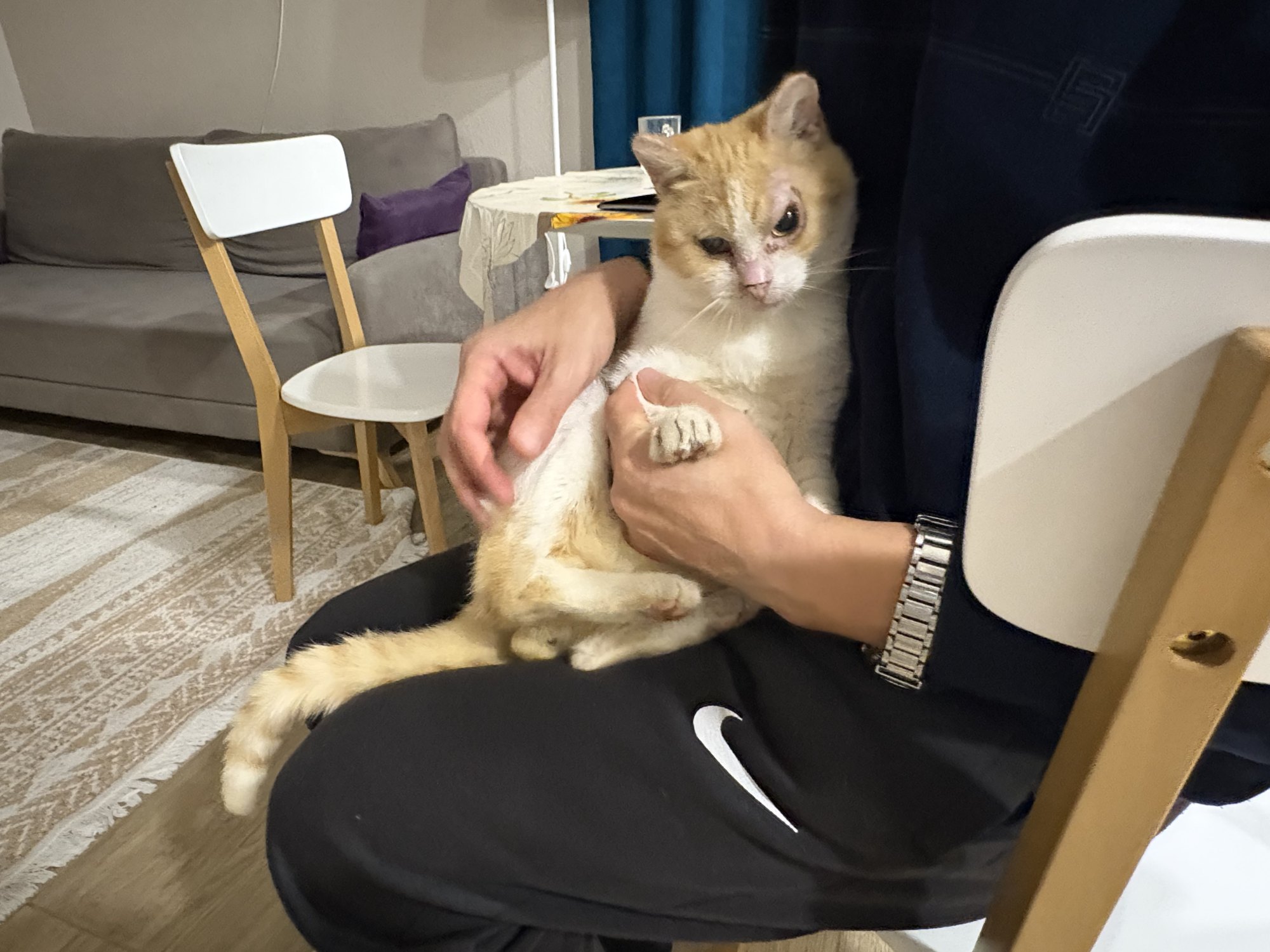
Their new home holds only what they could carry on their treacherous trek out of Oleshky. The only decoration in the space is a Ukrainian flag.
The only thing left to do now is wait — and pray that Friday’s rescue mission will save his friends and loved ones still trapped in his Russian-surrounded hometown.
“We still hold on to that hope today that Oleshky will also be liberated soon,” he said.
Reader-supported reporting. Subscribe to keep the dispatches coming.
Become a subscriber Or join the free email list →