No, Elon has not restored speeds for Ukrainian drones, Kyiv says
Zelensky’s adviser says nothing changed despite Trump’s claim Musk restored Starshield, leaving Ukrainian forces struggling to intercept deadly drones traveling twice their speed.
KYIV — News broke last night that finally, President Trump had called Elon Musk to ask if he would throttle back up the speeds of Starshield for Ukraine — critical for defense against Russia’s super-fast jet-powered drones.
“Thank God,” I wrote in a post to X, sharing Wall Street Journal reporter Alex Ward’s claim that “the system was working more normally Thursday, shortly after their conversation, per US and Ukrainian officials.”
I’m not sure who he spoke to, but Ukrainian President Zelensky’s communications adviser quickly shut down the hope the report had sparked in me.
“We see the same limit,” Dmytro Lytvyn responded to my post.
I caught up again with Lytvyn this morning to see if anything had changed overnight. Yet again, the answer was “nope.”
“The same limit,” he said.
OK, so what on earth is actually going on?
President Trump on Thursday, responding to a question from reporters on what happened, gave a vague explanation that suggested something was done.
“I know it was a very interesting situation, so I don’t want to comment one way or the other,” he said, cagily. “But my relationship with Elon is a very good one.”
Pressed on reports that he himself had picked up the phone to call the SpaceX founder to turn speed back on, Trump suggested that Musk had indeed restored Starshield to full capacity.
“Yeah, I don’t want to comment on it. You know whether I called or whether somebody else called doesn’t make any difference,” the president said. “I guess the bottom line — he put it back.”
But drones are still dropping out of the sky when they fly at high speeds as they lose connection to the military version of the Starlink satellite internet.
Still, it appears there has been some progress over the past few days. Initially, speeds were throttled down to around 100 mph. Now, at least in some areas, that limit has grown to 160 mph.
The bottom line, to use the president’s phrasing, is that no one really knows what is happening — and the few people who do are either staying quiet or obfuscating the facts.
Why does the speed matter?
I think this is a key point to understand: Ukraine needs to be able to access Starshield at high speeds because of the Russians’ introduction of jet-powered drones.
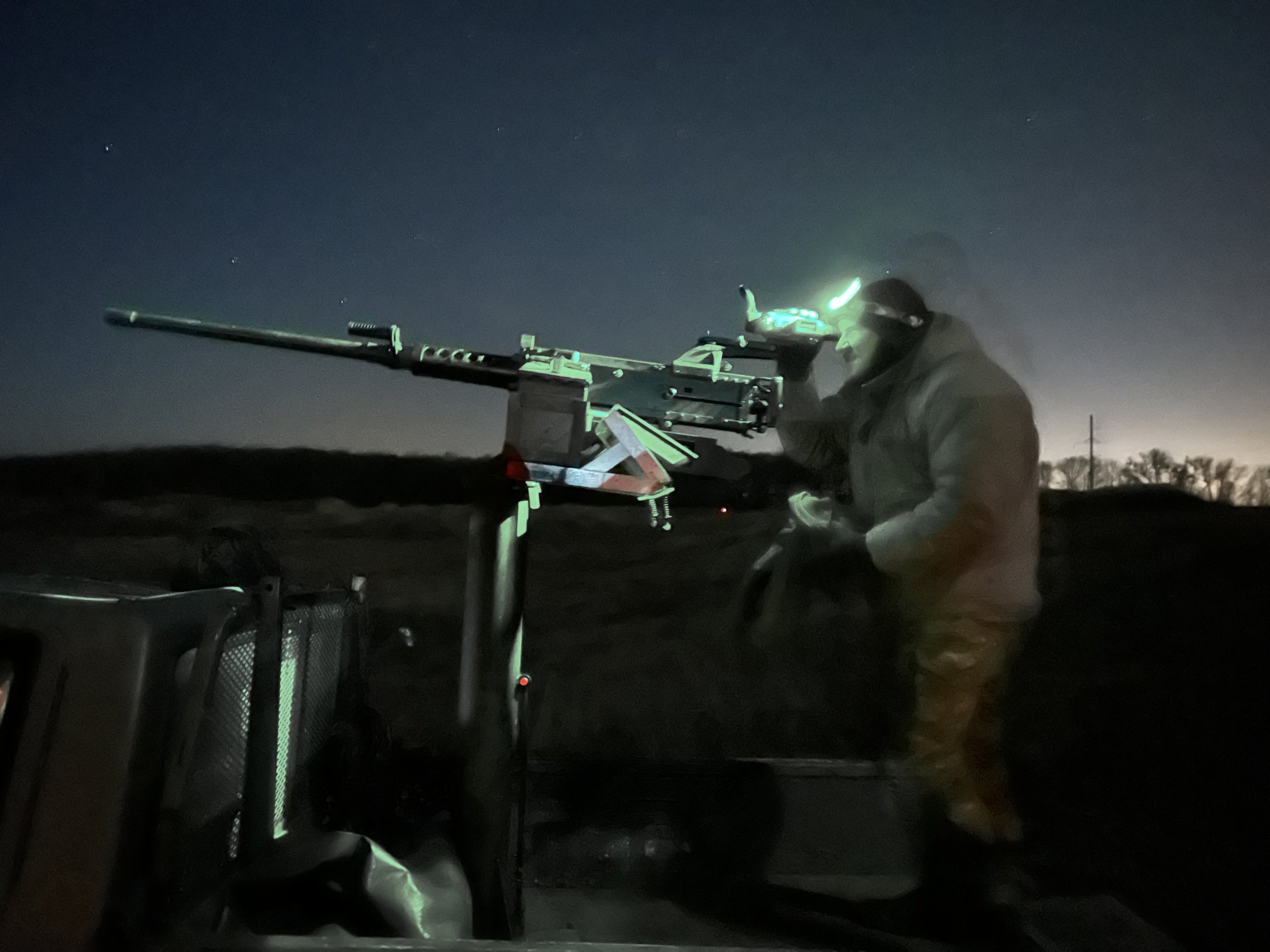
Where early Shaheds flew at around 110 mph, they were largely shot down by Ukrainian troops using machine guns, including old Browning guns.
The latest jet-powered models can fly up to 373 mph — making them far tougher to hit with a bullet and requiring interceptor drones to catch up to them and explode.
That is where Starshield comes in. Ukrainian forces use satellite connectivity to control drones, and when that connection drops at high speeds, interceptors can lose the link they need to chase down incoming Russian drones.
A 160 mph speed limit is a problem when the target is flying more than twice as fast.
Ukraine is racing to adapt to Russia’s new weapons. But if its own drones cannot maintain their connections at the speeds needed to intercept them, the restrictions could leave Ukrainian defenses struggling to keep up.
And that is why, despite Trump’s suggestion that Musk has “put it back,” I’m still asking the same question as Ukrainian officials: What, exactly, has changed?
The White House and Pentagon did not immediately respond to requests for comment.
Reader-supported reporting. Subscribe to keep the dispatches coming.
Become a subscriber Or join the free email list →