
SpaceX slapped surprise speed limit on Ukraine’s military satellite service, threatening drone defenses: source
Kyiv is demanding restoration of US-contracted Starshield service after discovering restrictions during operations — with some units reporting problems below the stated 100 mph cutoff.
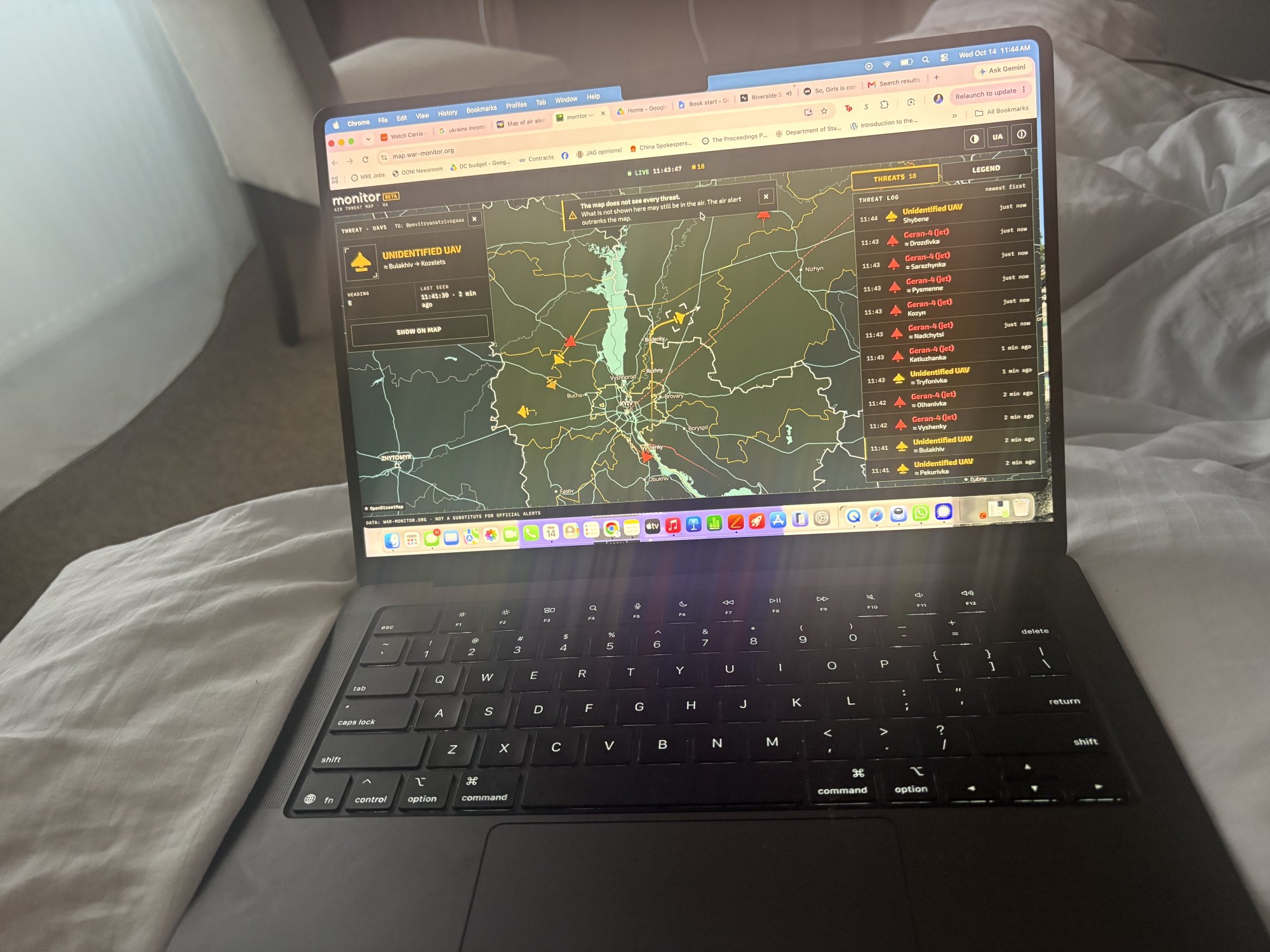
Ukraine’s military hit a speed limit it never saw coming.
Last night, Elon Musk’s SpaceX imposed an unannounced restriction on its military-grade Starshield satellite service, disrupting Ukrainian operations and threatening drones used to hunt down Russia’s Shahed attack drones, a source familiar with the issue told The Correspondent.
Ukrainian forces discovered the problem mid-battle — and only learned of the 100 mph restriction after complaining to customer support about terminals failing during operations, the source said.
SpaceX had given Ukraine no advance warning, and the high-speed weapons were desperately needed to defend against Russian drones.
The restriction threatens satellite connectivity aboard fast-moving drones, airplanes and helicopters, potentially hampering combat missions, frontline supply deliveries and efforts to intercept incoming Russian drones.
And the problems may start well below the stated cutoff: Ukrainian units are already reporting degraded performance at lower speeds, according to the source.
I was up all night in Kyiv as air raid alarms sounded and Russia pummeled the capital with drones and ballistic missiles. By morning, the news that a service used to help defend Ukrainian skies was suddenly restricted felt especially cruel.
Every alarm leaves you wondering what is coming and whether Ukraine’s defenses will stop it. The people beneath those flight paths need every chance they can get.
Ukrainian presidential adviser Serhiy Beskrestnov said Wednesday that the new restriction affected the Starshield military service package and had disrupted several missions.
He also warned that the fallout extended to interceptor drones defending Ukrainian skies against jet-powered Shaheds, according to Interfax-Ukraine.
Kyiv is now pressing SpaceX to restore the capabilities its forces had been relying on under existing US-government-contracted arrangements, the source said.
“This restriction was not in place for our terminals previously, and its introduction has created significant operational challenges for Ukrainian users who have been relying on the service under the existing arrangements,” reads a message to SpaceX provided to The Correspondent.
It stated the service is contracted through the US government until May 15, 2027, and covers “land-based mobile and fixed use cases, including applications involving mobile platforms.”
“We are not aware of any prior communication to Ukraine regarding a change to the applicable speed restrictions or any indication that such a limitation would be introduced,” the message states.

Ukraine has asked the company to explain the change and identify a way to restore the previous service capabilities. The source said SpaceX had not responded to that inquiry.
The contract itself was not provided for review, leaving its precise requirements — including coverage for airborne operations — unverified.
Starshield is SpaceX’s government-focused offering built on its Starlink technology, which the company markets for national security communications, according to its website.
The source warned that the restriction could hand Moscow a battlefield advantage by undermining communications Ukrainian forces depend on for defense, logistics and strikes.
The disruption also coincided with problems receiving early warnings of Russian ballistic missile attacks from Ukraine’s partners, the source said — raising alarm in Kyiv over two critical capabilities faltering at once.
Reuters separately reported that Ukrainian officials said they received no advance warnings from Western partners before recent Russian attacks. However, there has been reporting that it may not be the result of shutting off intelligence sharing, but rather the difficulty of identifying high-speed Russian missiles.
President Trump said Tuesday that Washington was continuing to share intelligence. SpaceX had not immediately answered requests for comment.

The cause of the satellite restriction remains unclear, and no evidence reviewed for this story establishes a connection between it and the missile-warning problems.
For Ukraine, the immediate demand is to get the service working as it did before.
“It is vital … to resolve it as soon as possible,” the source said, “simply because there is no other alternative.”
Reader-supported reporting. Subscribe to keep the dispatches coming.
Become a subscriber Or join the free email list →