
Rubio looks to Greece as key US security hub amid Middle East turmoil
Washington wants deeper military cooperation with Athens as Greece weighs a bigger role in the Red Sea and Strait of Hormuz
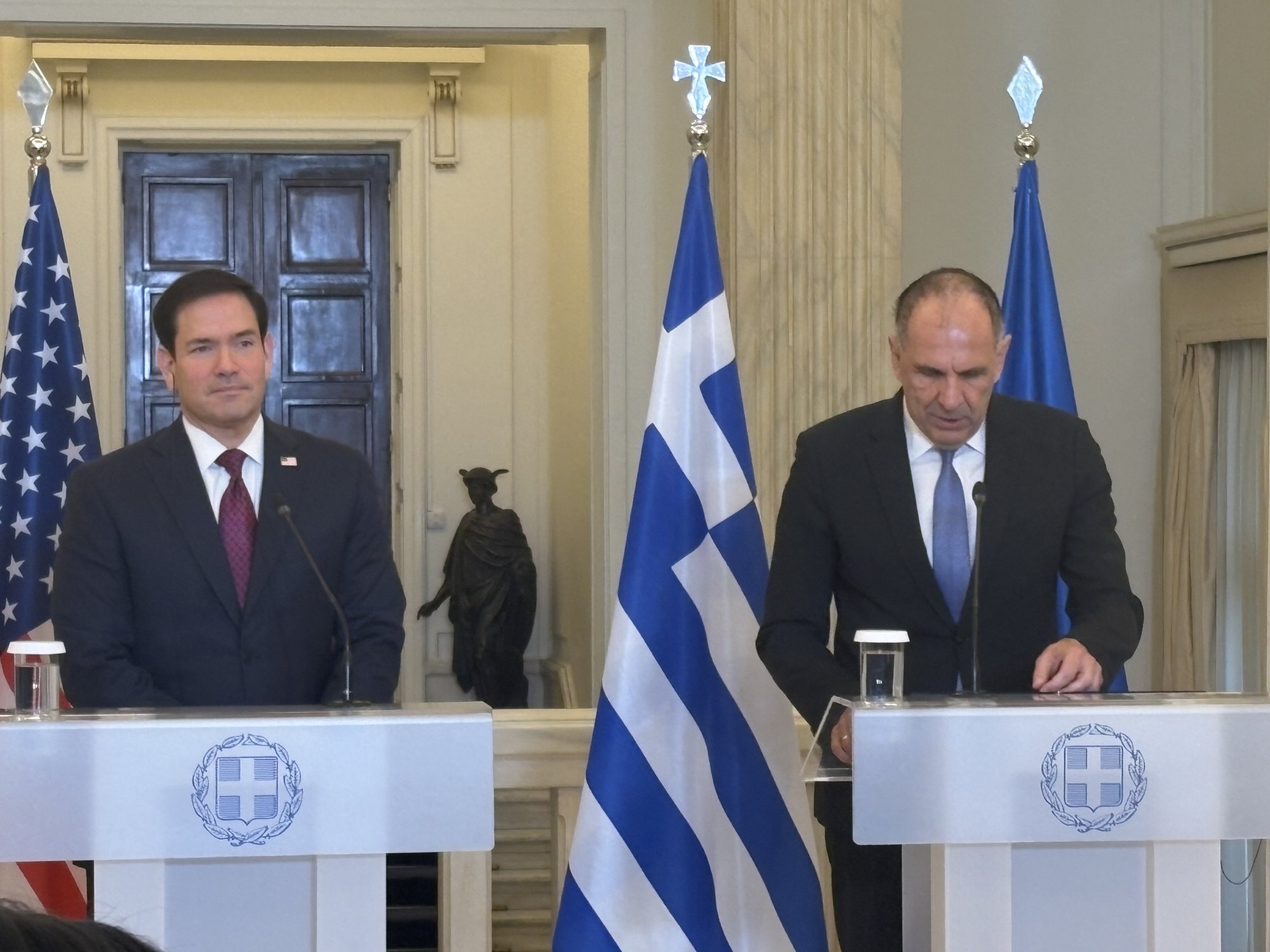
ATHENS — The US wants Greece to shoulder a bigger security role in the volatile Middle East — while turning the Mediterranean ally into a key gateway for US energy flowing into Europe, Secretary of State Marco Rubio said Wednesday.
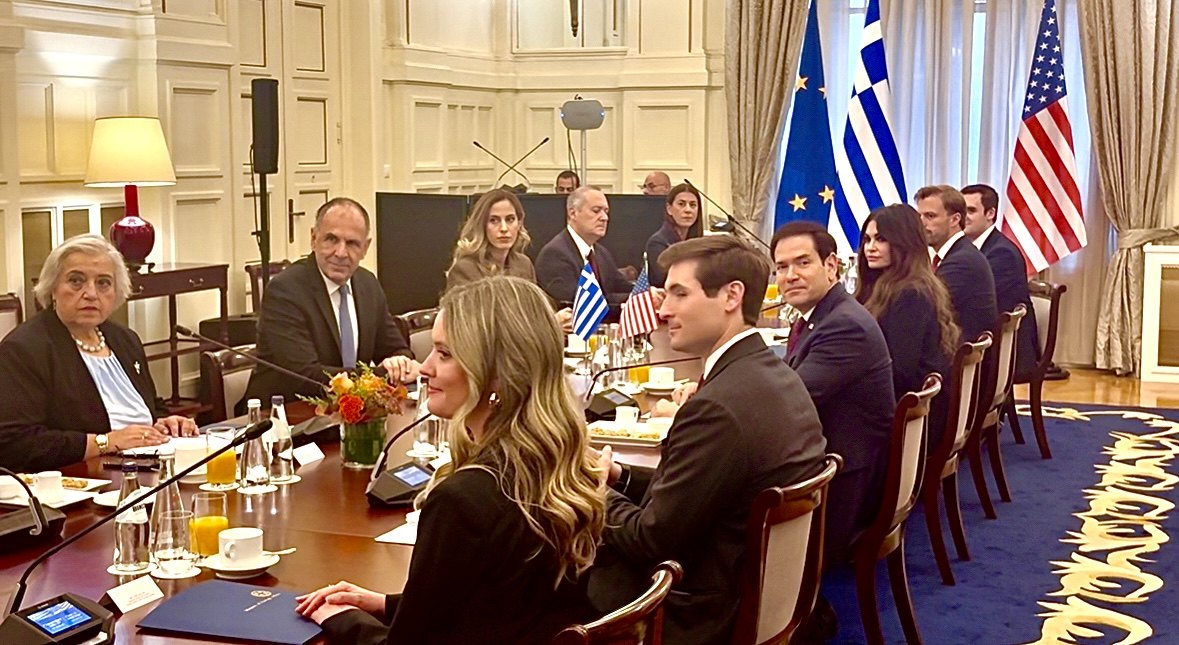
Rubio met Greek Foreign Minister Giorgos Gerapetritis in Athens for the sixth U.S.-Greece Strategic Dialogue, where the two countries announced a new security cooperation arrangement and pushed closer military and energy ties.
As wars and instability stretch from Ukraine to Iran and the Red Sea, both sides made clear Greece’s location is becoming increasingly valuable to Washington.
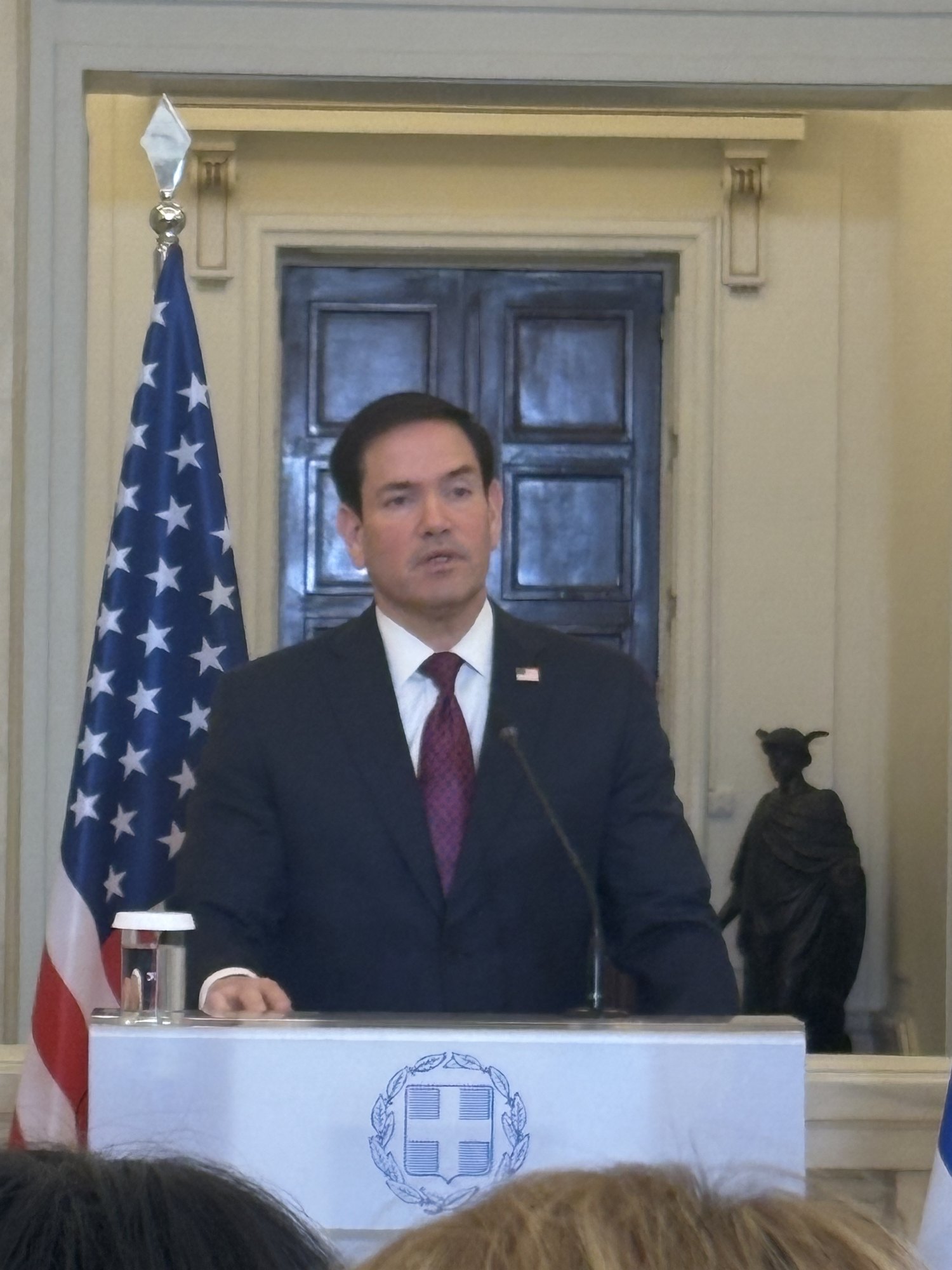
“The importance of this historical alliance is highlighted by the instability in the world today,” Rubio said.
Greece sits at the crossroads of Europe, the Middle East and the Black Sea and hosts strategically important facilities used by the United States, including Souda Bay and Alexandroupoli.
“As you see a world that faces these destabilizing events, you recognize how important this alliance with Greece is to the United States,” Rubio said.
Will Greece help more in the Middle East?
Gerapetritis acknowledged Washington had made “open and clear requests” for Greece to take part in additional U.S. initiatives across the Middle East, including around the Red Sea and Strait of Hormuz.
Athens is already involved in the European Union’s Aspides operation protecting commercial ships traveling through the Red Sea, where attacks have threatened one of the world’s most important trade routes.
But Greece could soon venture farther east.
Gerapetritis said Athens could work with the United States to provide “maritime assistance” around the Strait of Hormuz if conditions allow — potentially giving Washington another ally to help secure the oil chokepoint that’s become the center of the war with Iran.
The Greek foreign minister was considerably more careful when pressed on whether the U.S. could use Souda Bay to support possible renewed strikes on Iran.
He stopped short of giving a yes or no.
Instead, Gerapetritis sidestepped, touting Greece as an increasingly capable “security provider” that’s already helped protect neighboring countries and critical shipping routes.
Rubio: Energy security is national security
The other big item on Rubio’s Athens agenda was energy — and getting more American supplies into Europe.
(This is going to be a big part of my reporting journey here in Greece this week after Rubio leaves this evening. Make sure to subscribe to follow along.)
“We intend to expand U.S. LNG imports and build new gas and electricity interconnections that strengthen regional energy security,” Rubio said.
For Washington, that is no longer simply an economic issue.
“Energy security is tied to national security,” Rubio said, pointing to the latest turmoil involving Iran as a reminder of what happens when major energy routes come under threat.
“We can never be in a situation where if energy is cut off or energy flows are cut off from one part of the world, the whole world is threatened,” he said.
Greece is hoping to become a major entry point for American LNG into Europe while pursuing a collection of ambitious energy projects across the Eastern Mediterranean.
Greek reporters specifically pressed Rubio on the Vertical Corridor, ExxonMobil operations, Chevron exploration off Crete and electricity connections linking Greece with Egypt, Cyprus and Israel.
Rubio gave them a strong endorsement.
“We are very committed to the success of these projects,” he said.
But there was a catch: Rubio acknowledged that some of the projects are tangled up in “very delicate” situations involving other countries — which he conspicuously declined to name.
Those disputes, he said, were better handled behind closed doors.
“There are things in global affairs that are best not debated at press conferences, but handled at the table of dialog,” Rubio said.
New US-Greece counterterrorism pact
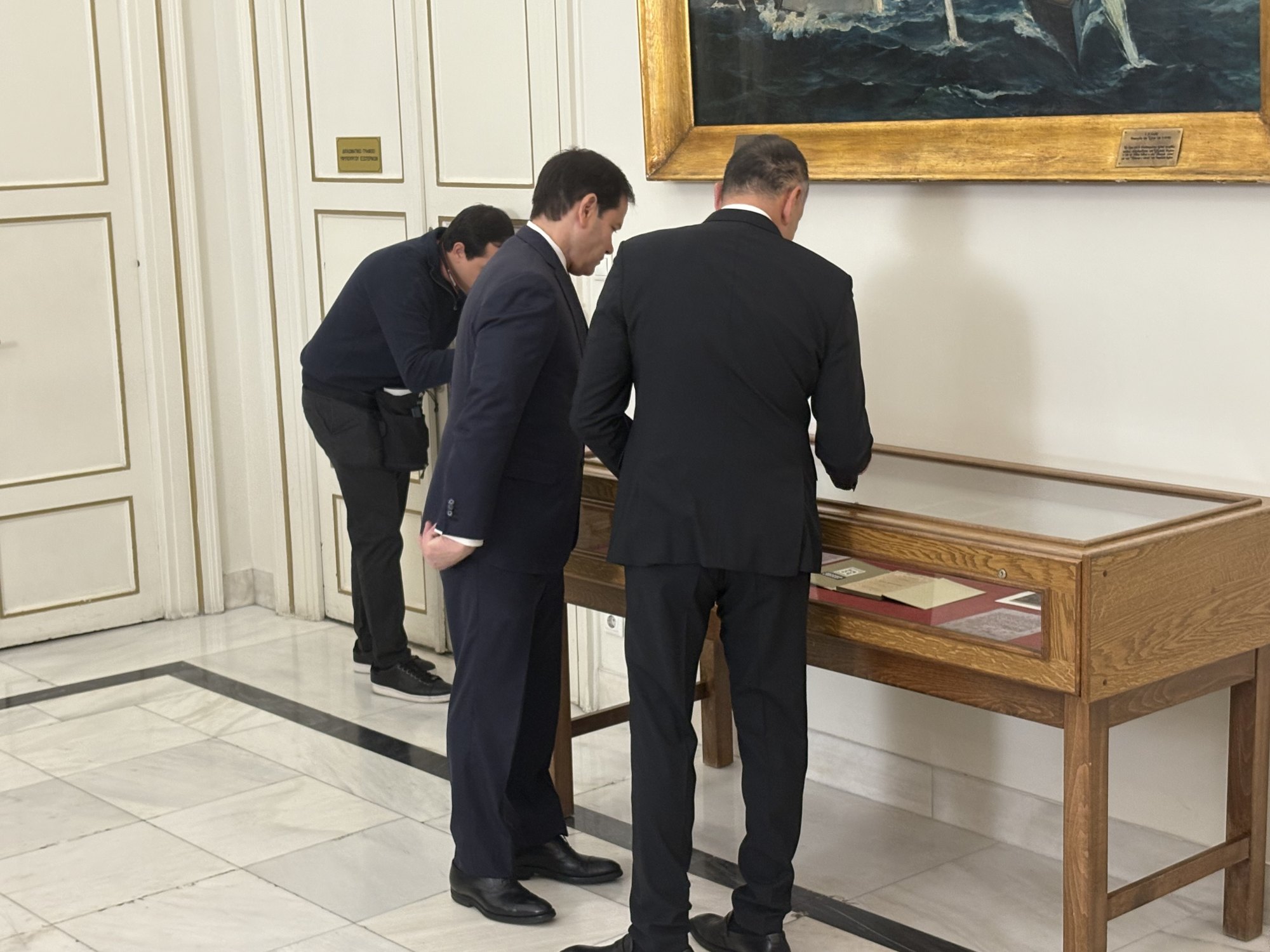
Washington and Athens also unveiled a new agreement aimed at getting their cops and security services talking more closely.
The memorandum establishes a joint security program to increase counterterrorism information-sharing between American and Greek law enforcement.
Rubio pointed to Greece’s geography — sitting along major Mediterranean migration and transit routes — as making the country particularly exposed to terrorism, human trafficking and transnational criminal groups.
“What we do not wish to see under any circumstances is that the birthplace of the West is threatened by bad decisions, by inactions, by failure to address challenges,” Rubio said.
Thanks for reading The Correspondent with Caitlin Doornbos! This post is public so feel free to share it.
Florida gets a Greek military partner
The two militaries are getting closer, too.
Greece will join the U.S. National Guard Bureau’s State Partnership Program and, in a bit of hometown diplomacy for the Florida-born Rubio, will be paired with the Florida National Guard.
The partnership will bring the two militaries together for training, exchanges and other cooperation.
Meanwhile, Athens is pouring money into its own forces, upgrading its F-16 fleet and preparing to bring fifth-generation F-35 fighter jets into the Hellenic Air Force.
Rubio held Greece up as exactly the kind of European ally the Trump administration has been demanding.
Athens is on track to meet NATO’s new 5% defense-spending commitment, he said, including more than 3.5% of GDP on core defense, the secretary said.
Rubio called Greece a “true and strong and model NATO ally” as Washington continues pressing European capitals to pony up more for their own defense.
Greece builds its regional muscle
Meanwhile, Athens is increasingly looking beyond Europe.
Gerapetritis highlighted Greece’s strategic relationships with Israel, Egypt, Saudi Arabia and the United Arab Emirates and pointed to the 3+1 framework linking Greece, Cyprus and Israel with the United States.
The arrangement has grown from what was largely an energy partnership into a broader geopolitical one, he said.
Cyprus remains a key piece of that strategy, with Gerapetritis calling the island an “integral part of the security architecture in the Eastern Mediterranean” and reiterating Athens’ support for its reunification under international law and UN Security Council resolutions.
Reader-supported reporting. Subscribe to keep the dispatches coming.
Become a subscriber Or join the free email list →